
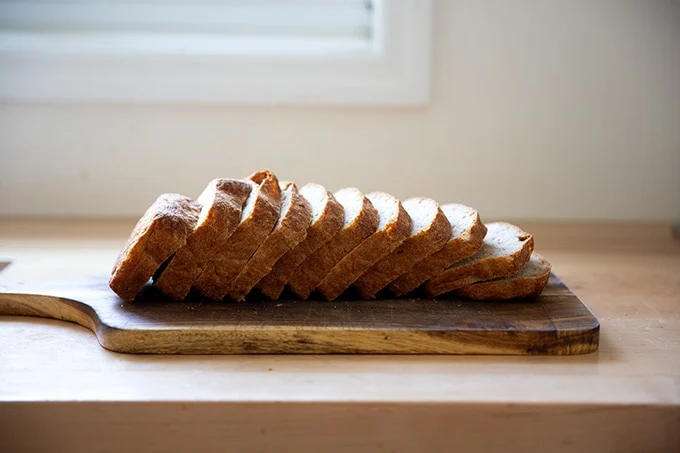
Why You’ll Love This Homemade Rye Bread
- Rich and flavorful: Rye flour creates a unique earthy taste.
- Soft and hearty texture: Perfect balance between a tender crumb and rustic feel.
- Great for sandwiches: Holds toppings well without falling apart.
- Simple ingredients: Made with pantry staples.
- No special equipment required: A basic loaf pan and oven are enough.
- Freezer-friendly: Make ahead and enjoy whenever you want fresh bread.
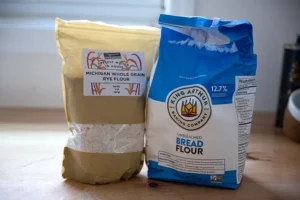
Ingredients
For the Rye Bread Dough
- 2 cups rye flour
- 2 cups bread flour or all-purpose flour
- 2 ¼ teaspoons active dry yeast (1 packet)
- 1 ½ cups warm water (about 105–110°F / 40–43°C)
- 2 tablespoons honey or molasses
- 2 tablespoons olive oil or melted butter
- 1 ½ teaspoons salt
- 1 tablespoon caraway seeds (optional)
- 1 tablespoon ground flaxseed (optional)
For the Topping (Optional)
- 1 tablespoon milk or egg wash
- Extra caraway seeds
- Rolled oats or rye flakes
Equipment Needed
- Large mixing bowl
- Measuring cups and spoons
- Wooden spoon or dough hook
- Clean kitchen towel
- Loaf pan (9×5 inch)
- Wire cooling rack
How to Make Homemade Rye Bread
Step 1: Activate the Yeast
In a small bowl, combine warm water, honey or molasses, and active dry yeast.
Stir gently and let the mixture sit for 5–10 minutes until it becomes slightly foamy.
This step confirms that the yeast is active and ready to help the bread rise.
Tip: Make sure the water is warm, not hot. Water that is too hot can damage the yeast and prevent the bread from rising.
Step 2: Mix the Dry Ingredients
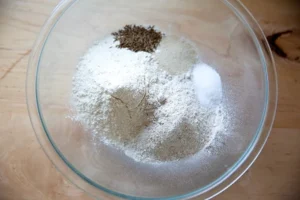
In a large mixing bowl, combine rye flour, bread flour, salt, caraway seeds, and flaxseed if using.
Mix well to distribute the ingredients evenly.
Rye flour contains less gluten than wheat flour, so combining it with bread flour helps create a lighter texture while maintaining the traditional rye flavor.
Step 3: Combine the Dough Ingredients
Pour the activated yeast mixture into the flour mixture.
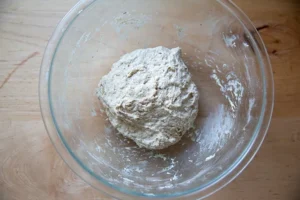
Add olive oil or melted butter and stir until a rough dough forms.
The dough may feel slightly sticky compared with regular wheat bread dough. This is normal because rye flour absorbs moisture differently.
Step 4: Knead the Dough
Transfer the dough onto a lightly floured surface.
Knead for 8–10 minutes by hand until the dough becomes smoother and more elastic.
If using a stand mixer, knead with a dough hook for about 5–7 minutes on medium speed.
Avoid adding too much extra flour because rye bread dough naturally stays softer and slightly sticky.
Step 5: First Rise
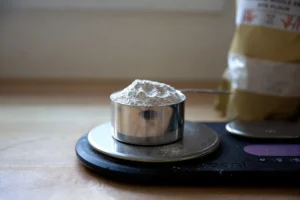
Place the dough in a lightly oiled bowl.
Cover with a clean kitchen towel or plastic wrap.
Allow the dough to rise in a warm place for 1–2 hours, or until it has doubled in size.
The rising time depends on room temperature. A warmer kitchen will allow the dough to rise faster.
Step 6: Shape the Loaf
Once the dough has risen, gently press it down to remove excess air.
Shape the dough into a loaf that fits your greased 9×5-inch loaf pan.
Place the dough into the pan and gently smooth the top.
Step 7: Second Rise
Cover the loaf pan and let the dough rise again for 30–60 minutes.
The dough should rise slightly above the edge of the pan.
This second rise helps create a lighter, softer bread texture.
Step 8: Prepare for Baking
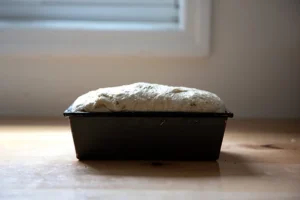
Preheat your oven to 375°F (190°C).
Brush the top of the loaf lightly with milk or egg wash for a shiny crust.
Sprinkle with extra caraway seeds or rye flakes if desired.
Step 9: Bake the Rye Bread
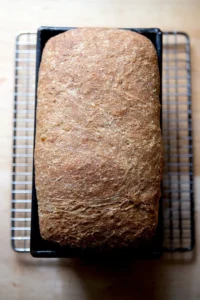
Bake for 35–45 minutes, or until the bread develops a deep golden crust.
The loaf should sound hollow when tapped on the bottom.
For best results, the internal temperature should reach around 190–200°F (88–93°C).
Step 10: Cool Before Slicing
Remove the bread from the pan and place it on a wire rack.
Allow it to cool completely for at least 1–2 hours before slicing.
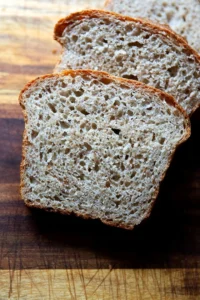
Freshly baked rye bread continues to set as it cools, and cutting too early may make the inside gummy.
Tips for Perfect Homemade Rye Bread
Use Fresh Rye Flour
Fresh rye flour provides the best aroma and flavor. Store rye flour in an airtight container to maintain freshness.
Do Not Over-Knead
Rye flour has less gluten than wheat flour, so excessive kneading will not improve the dough as much as it does with regular bread.
Let the Bread Cool Completely
Cooling allows the crumb structure to develop and makes slicing easier.
Add More Flavor
You can customize your rye bread with:
- Sunflower seeds
- Pumpkin seeds
- Chopped walnuts
- Dried herbs
- Garlic
- Onion flakes
- Sesame seeds
Create a Darker Rye Bread
For a deeper color and richer flavor, add:
- Extra molasses
- A tablespoon of cocoa powder
- Dark rye flour
- Strong brewed coffee (replace part of the water)
Serving Suggestions
Homemade rye bread is delicious with:
Classic Sandwiches
Use rye bread for:
- Pastrami sandwiches
- Turkey sandwiches
- Grilled cheese
- Tuna salad sandwiches
Breakfast
Serve toasted slices with:
- Butter and jam
- Cream cheese
- Eggs and avocado
- Smoked salmon
Dinner
Pair rye bread with:
- Soups
- Stews
- Salads
- Roasted meats
Storage Instructions
Store cooled rye bread in an airtight bag or container at room temperature for up to 4 days.
For longer storage:
- Refrigerate for up to 1 week.
- Freeze slices for up to 3 months.
To enjoy frozen slices, simply toast them or allow them to thaw at room temperature.
Nutrition Information (Approximate Per Slice)
Serving size: 1 slice (depending on loaf size)
- Calories: 120–160
- Protein: 4–6g
- Carbohydrates: 22–28g
- Fat: 2–4g
- Fiber: 3–5g
Nutrition values may vary depending on ingredients and slice thickness.
Frequently Asked Questions
Is rye bread healthier than white bread?
Rye bread often contains more fiber and has a stronger nutritional profile compared with many refined white breads. The exact nutritional difference depends on the recipe and flour used.
Can I make rye bread without wheat flour?
Yes, but a 100% rye loaf will have a denser texture because rye contains less gluten. Traditional rye bread recipes often combine rye flour with wheat flour for better structure.
Why is my rye bread dense?
Dense rye bread can result from insufficient rising time, too much rye flour, inactive yeast, or cutting the bread before it cools completely.
Can I make this recipe with sourdough starter?
Yes. Replace commercial yeast with an active sourdough starter and adjust the flour and water amounts as needed.
Can I add seeds to rye bread?
Absolutely. Sunflower seeds, flaxseeds, pumpkin seeds, and sesame seeds are excellent additions.
Final Thoughts
Making homemade rye bread is a rewarding baking project that fills your kitchen with an incredible aroma and creates a loaf full of character. With its hearty texture, earthy flavor, and beautiful golden crust, this traditional bread is perfect for everyday meals.
Whether enjoyed fresh with butter, used for sandwiches, or served alongside a warm bowl of soup, homemade rye bread brings classic bakery flavor straight to your table.
