
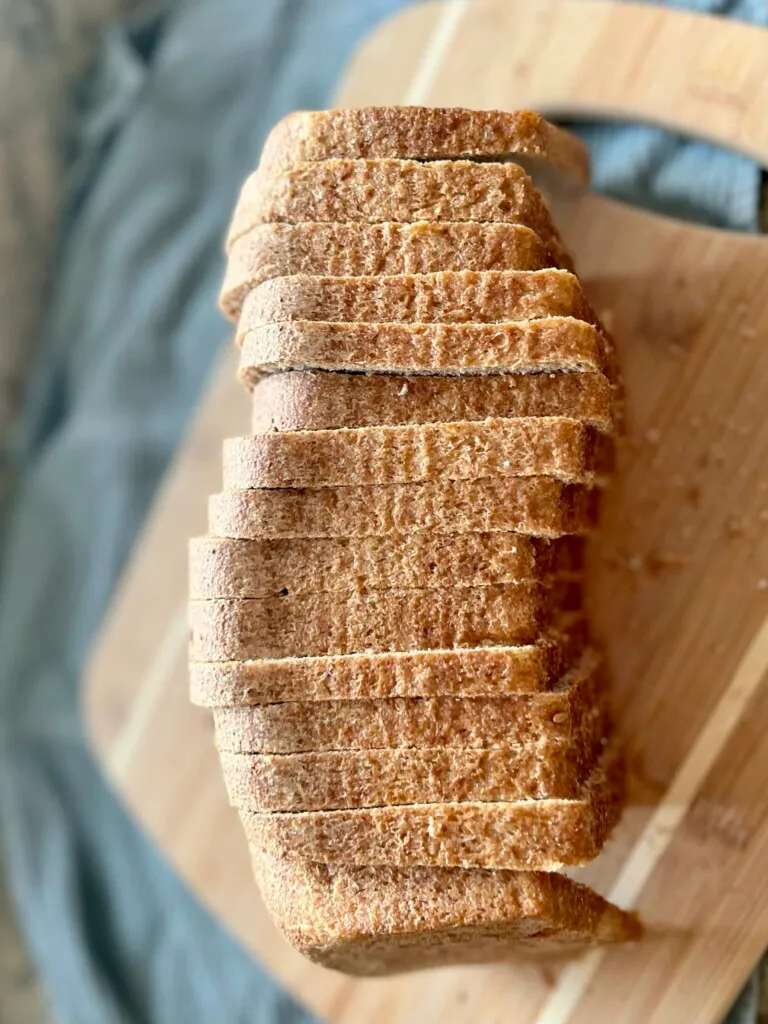
What Is Whole Wheat Flour?
Whole wheat flour is made by grinding the entire wheat kernel, including:
- Bran – the outer layer containing fiber and minerals
- Germ – the nutrient-rich part of the grain
- Endosperm – the starchy interior
Unlike white flour, which removes the bran and germ, whole wheat flour keeps all parts of the grain, giving baked goods a deeper flavor, darker color, and more nutritious profile.
Whole Wheat Flour vs. White Flour
| Whole Wheat Flour | White Flour |
|---|---|
| Made from the entire wheat kernel | Made mostly from the endosperm |
| Nutty, earthy flavor | Mild flavor |
| Higher fiber content | Lighter texture |
| Absorbs more water | Requires less hydration |
| Creates denser baked goods | Creates softer, airier results |
How Whole Wheat Flour Affects Bread
1. More Water Absorption
Whole wheat flour absorbs more liquid because the bran and germ soak up water.
This means:
- Dough may feel drier at first
- More hydration is often needed
- Resting time improves texture
2. Denser Texture
The sharp edges of bran can interfere with gluten development, which may result in:
- Smaller air pockets
- A tighter crumb
- Less dramatic rise
Proper mixing, hydration, and fermentation help create lighter bread.
3. Richer Flavor
Whole wheat adds:
- Nutty notes
- Slight sweetness
- Earthy complexity
- A hearty aroma
Long fermentation, especially in sourdough, brings out even more flavor.
Tips for Baking with Whole Wheat Flour
1. Start by Replacing Part of the Flour
If you are new to whole wheat baking, avoid switching completely at first.
Try:
- 25% whole wheat + 75% white flour
- 50% whole wheat + 50% white flour
Gradually increase the whole wheat percentage as you learn how the dough behaves.
2. Increase Hydration
Whole wheat dough usually needs more water.
Example:
White flour sourdough:
- 500g flour
- 350g water
Whole wheat version:
- 500g flour
- 375–425g water
Adjust slowly because different flours absorb differently.
3. Allow a Longer Rest
A resting period helps the bran soften and improves gluten development.
Try an autolyse:
- Mix flour and water.
- Rest for 30–60 minutes.
- Add starter and salt afterward.
This creates a smoother, more elastic dough.
4. Use Strong Gluten Development
Whole wheat dough benefits from:
- Stretch-and-folds
- Coil folds
- Gentle kneading
- Longer fermentation
Avoid excessive mixing, which can weaken the dough.
Whole Wheat Sourdough Bread Recipe
Description
This whole wheat sourdough loaf combines the hearty flavor of whole grains with the light, airy texture of artisan bread. A long fermentation creates a flavorful loaf with a crisp crust and tender crumb.
Ingredients
- 350g bread flour
- 150g whole wheat flour
- 375g water
- 100g active sourdough starter
- 10g sea salt
Instructions
Step 1: Mix the Dough
Combine:
- Bread flour
- Whole wheat flour
- Water
Mix until no dry flour remains.
Cover and rest for 45 minutes.
Step 2: Add Starter and Salt
Add:
- Sourdough starter
- Salt
Mix thoroughly until incorporated.
Step 3: Bulk Fermentation
Let the dough ferment for 4–6 hours at room temperature.
During the first 2 hours:
- Perform stretch-and-folds every 30 minutes.
- Continue until the dough becomes smoother and stronger.
The dough is ready when it has risen, looks airy, and holds its shape.
Step 4: Shape the Dough
Turn the dough onto a lightly floured surface.
Shape into a round loaf.
Place seam-side up into a floured proofing basket.
Step 5: Cold Proof
Cover and refrigerate for:
8–12 hours
This develops deeper flavor.
Step 6: Bake
Preheat a Dutch oven to:
450°F (230°C)
Score the dough and bake:
- 20 minutes covered
- 25–30 minutes uncovered
Bake until deeply golden.
Cool completely before slicing.
Common Problems When Baking with Whole Wheat Flour
Bread Is Too Dense
Possible causes:
- Not enough hydration
- Weak gluten development
- Under-fermentation
Solutions:
- Add more water
- Extend fermentation time
- Use some bread flour for structure
Dough Feels Dry
Cause:
Whole wheat flour absorbs more water.
Solution:
Increase hydration gradually or allow more resting time.
Bread Does Not Rise Well
Possible causes:
- Weak starter
- Too much whole wheat
- Short fermentation
Solutions:
- Use an active starter
- Add some white flour
- Give the dough more time
Types of Whole Wheat Flour
Regular Whole Wheat Flour
Best for:
- Sandwich bread
- Muffins
- Everyday baking
Whole Wheat Bread Flour
Higher protein content makes it better for:
- Artisan bread
- Sourdough
- Yeast breads
White Whole Wheat Flour
Made from a lighter-colored wheat variety.
Benefits:
- Milder flavor
- Softer texture
- Easier transition from white flour
Freshly Milled Whole Wheat Flour
Provides:
- Stronger aroma
- More complex flavor
- Higher nutrient retention
It may require recipe adjustments because it behaves differently from commercial flour.
Best Uses for Whole Wheat Flour
Whole wheat flour works beautifully in:
- Sourdough bread
- Sandwich loaves
- Dinner rolls
- Pizza dough
- Pancakes
- Waffles
- Muffins
- Crackers
- Biscuits
Frequently Asked Questions
Can I replace all-purpose flour with whole wheat flour?
Yes, but expect a denser texture and stronger flavor. You may need additional liquid.
Why does whole wheat bread feel heavy?
The bran can limit gluten development, creating a tighter crumb. Proper hydration and fermentation help lighten the loaf.
Is whole wheat flour better for sourdough?
Whole wheat flour provides extra nutrients for fermentation and can create excellent flavor, especially when combined with longer fermentation.
How should I store whole wheat flour?
Because it contains natural oils from the germ, whole wheat flour can spoil faster. Store it in an airtight container in a cool place or refrigerate for longer storage.
Final Thoughts
Baking with whole wheat flour opens the door to breads with deeper flavor, richer texture, and wholesome character. With a few adjustments—more hydration, longer resting, and careful fermentation—you can create beautifully balanced whole grain breads that are both nutritious and delicious.
