
What Is a Levain?
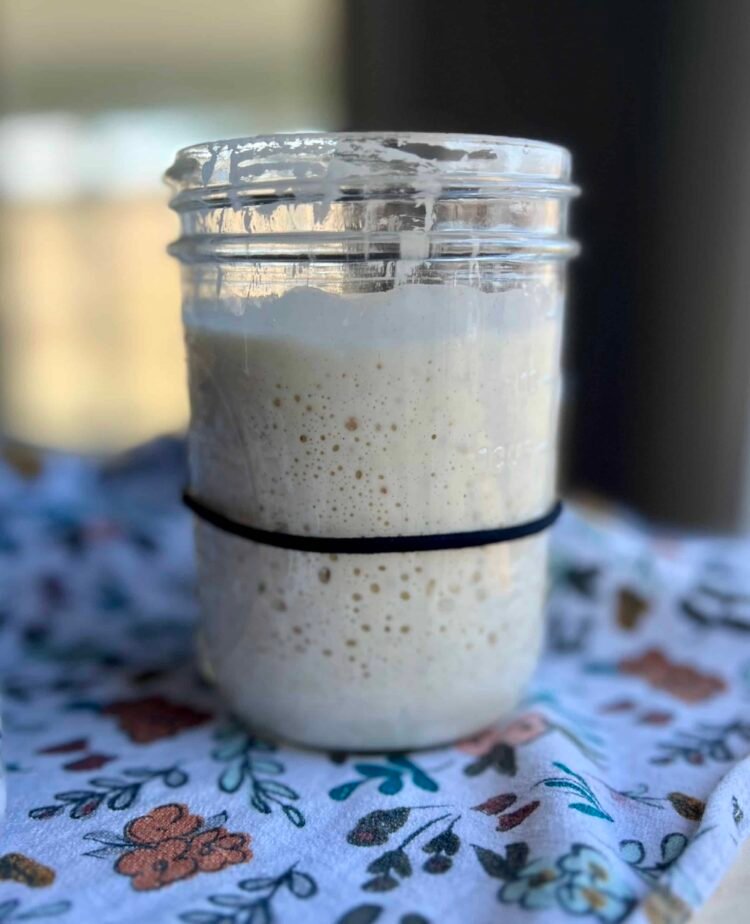
A levain is a small portion of active sourdough starter that has been freshly fed with flour and water specifically for a bread recipe. It is built separately from your main starter and is used as the natural leavening agent that helps sourdough bread rise.
Think of levain as a recipe-specific version of your sourdough starter. Bakers create a levain to control the flavor, strength, and timing of fermentation.
A levain typically contains:
- A small amount of mature sourdough starter
- Fresh flour
- Water
- Time to ferment until active and bubbly
Once the levain reaches peak activity, it is mixed into the dough.
Sourdough Starter vs. Levain
| Sourdough Starter | Levain |
|---|---|
| A long-term fermented culture | A fresh build made for a specific bake |
| Maintained regularly over time | Made as needed before baking |
| Stored in the refrigerator or at room temperature | Usually used within hours |
| Acts as the baker’s “mother culture” | Acts as the bread’s leavening ingredient |
| Fed continuously to stay alive | Built with specific flour and hydration for a recipe |
How a Sourdough Starter Works
A sourdough starter is a living mixture of wild yeast and beneficial bacteria that naturally ferment flour and water.
A healthy starter:
- Contains active wild yeast
- Produces bubbles and gas
- Develops a pleasant sour aroma
- Can be fed repeatedly for years
Many bakers keep the same starter for months or even decades, feeding it regularly and using small portions whenever they bake.
Example maintenance feeding:
- 50g starter
- 50g flour
- 50g water
How a Levain Works
A levain is created by taking some of your active starter and feeding it a larger amount of fresh flour and water.
Example levain build:
- 25g mature sourdough starter
- 100g bread flour
- 100g water
Mix together and let ferment for several hours until:
- Doubled in size
- Full of bubbles
- Slightly domed on top
- Smells pleasantly sweet and sour
This active levain is then added directly to bread dough.
Why Use a Levain Instead of Starter?
Many professional bakers prefer using a levain because it allows more control over the final bread.
1. Flavor Control
Different flours create different flavors.
Examples:
- Rye flour → deeper, earthier flavor
- Whole wheat flour → nutty and rich flavor
- White flour → mild flavor
2. Better Timing
A baker can prepare a levain overnight or during the day so it is ready exactly when the dough needs it.
3. Stronger Fermentation
A freshly built levain often has maximum yeast activity, helping dough rise efficiently.
4. Recipe Flexibility
You can adjust:
- Hydration
- Flour type
- Fermentation time
- Acidity level
depending on the type of bread you want to make.
How to Make a Basic Levain
Ingredients
- 25g active sourdough starter
- 50g bread flour
- 50g whole wheat flour
- 100g water
Instructions
Step 1: Mix the Levain
Combine:
- Starter
- Flour
- Water
Stir until fully combined and no dry flour remains.
Step 2: Ferment
Cover loosely and leave at room temperature for 6–12 hours.
The timing depends on:
- Room temperature
- Starter strength
- Flour used
Step 3: Check Readiness
A ready levain should:
✓ Double or triple in size
✓ Have visible bubbles
✓ Look airy inside
✓ Smell pleasantly fermented
✓ Be slightly domed before falling
Use it immediately in your dough.
Can You Use Sourdough Starter Instead of Levain?
Yes. In many home recipes, the terms are used interchangeably.
If a recipe calls for levain, you can often use active starter directly. However, creating a separate levain gives you more control over flavor and fermentation.
Common Levain Types
Liquid Levain
Made with more water than flour.
Texture: Thin and pourable
Flavor: Mild and less acidic
Stiff Levain
Made with less water.
Texture: Dough-like
Flavor: More complex and often slightly sweeter
Whole Wheat Levain
Made with whole wheat flour.
Flavor: Nutty, hearty, and rich
Rye Levain
Made with rye flour.
Flavor: Deep, earthy, and aromatic
Tips for Successful Levain
- Always start with an active, healthy starter.
- Use room-temperature water.
- Mark the starting level on the jar to track growth.
- Use the levain when it reaches peak activity.
- Avoid using a levain that has completely collapsed and lost strength.
- Adjust fermentation time based on kitchen temperature.
Frequently Asked Questions
Is levain the same as sourdough starter?
They are made from the same ingredients and contain the same microorganisms, but a levain is a freshly fed portion created for a specific recipe.
Can I keep a levain forever?
No. A levain is usually used once for baking. Your main sourdough starter is what you maintain long-term.
How long does levain take to mature?
Most levains are ready in 6–12 hours, depending on temperature and feeding ratio.
Does levain make bread more sour?
Not always. A levain can actually create a milder, more balanced flavor depending on hydration, flour, and fermentation time.
Final Thoughts
A sourdough starter is your long-term baking culture, while a levain is the fresh, customized version created for a specific loaf. Understanding the difference gives you more control over your sourdough bread’s rise, flavor, and texture. Once you learn how to build and use a levain, you can take your homemade sourdough baking to the next level.
