
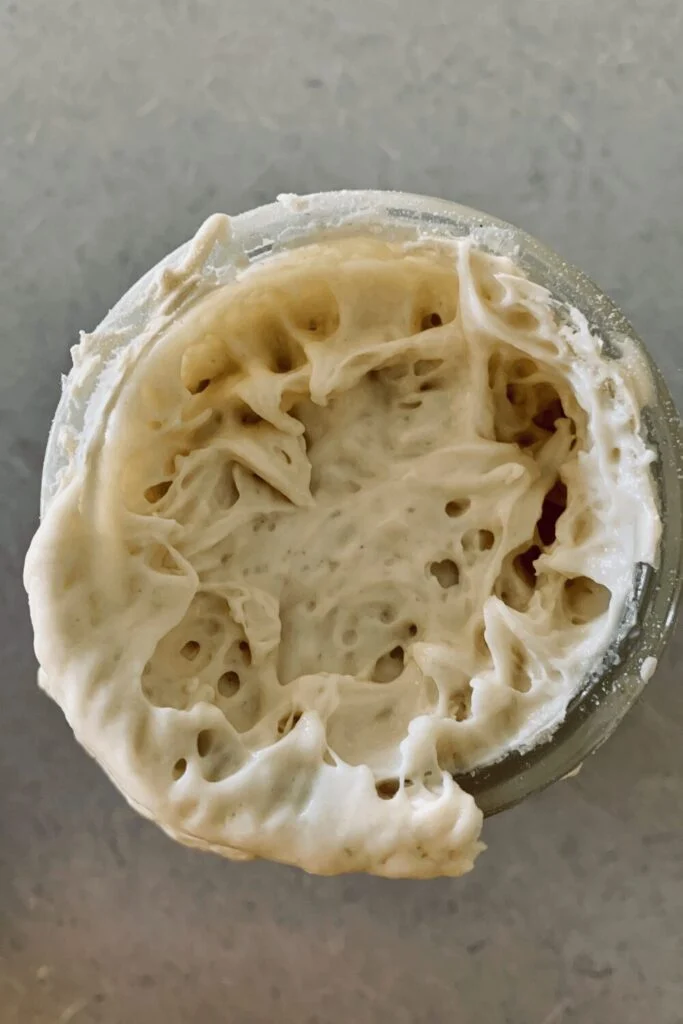
What Is Sourdough Starter?
A sourdough starter is a living culture made from just flour and water. Over time, naturally occurring wild yeast and beneficial bacteria multiply, creating a community of microorganisms that ferment the dough and make bread rise without commercial yeast.
When fed regularly, the starter becomes bubbly, active, and capable of producing beautifully risen loaves with a distinctive tangy flavor.
What Does “Discard” Mean?
Discard simply means removing a portion of your sourdough starter before feeding it again.
For example, if you have:
- 200g starter
- Remove 100g
- Feed the remaining 100g with fresh flour and water
The discarded portion isn’t necessarily garbage—it can often be saved and used in a wide variety of recipes.
Why Is Discarding Necessary?
1. It Keeps the Starter Manageable
Without removing some starter, every feeding doubles or nearly doubles its size.
For example:
- Day 1: 100g starter
- Feed → 200g
- Feed again → 400g
- Feed again → 800g
- Feed again → 1,600g
Within a few days, you’d be maintaining several kilograms of starter and using large amounts of flour just to keep it alive.
Discarding keeps your starter at a practical size.
2. It Maintains the Right Balance
Every feeding introduces fresh flour and water, which provide food for the yeast and bacteria.
If you never discard, there is too much old starter compared to the fresh food. The microorganisms quickly consume the available nutrients, leaving the starter hungry and overly acidic.
Regular discard restores the proper balance between:
- Wild yeast
- Lactic acid bacteria
- Fresh flour
- Water
This balance helps your starter stay active and predictable.
3. It Prevents Excess Acidity
As a starter ferments, it produces acids that give sourdough its signature flavor.
Too much acid can:
- Slow yeast activity
- Produce weaker rises
- Create an overly sour flavor
- Damage gluten development
- Lead to dense bread
Discarding removes a portion of these accumulated acids before feeding.
4. It Strengthens the Yeast
Fresh flour provides new sugars that yeast can consume.
Without regular feeding and discard:
- yeast become sluggish,
- fermentation slows,
- bread rises poorly,
- starter loses strength.
Healthy starters are constantly refreshed with new nutrients.
5. It Saves Flour
This may sound surprising because you’re throwing some away, but discard actually reduces flour usage.
Imagine maintaining:
- 50g starter
- Feed with 50g water
- Feed with 50g flour
Versus maintaining:
- 1,000g starter
- Feed with 1,000g water
- Feed with 1,000g flour
The second option becomes expensive very quickly.
Keeping a small starter with regular discard is much more economical.
What Happens If You Never Discard?
A starter that is never discarded may eventually:
- Become extremely acidic
- Develop unpleasant aromas
- Lose rising power
- Ferment unpredictably
- Require huge amounts of flour
- Produce dense loaves
- Take much longer to peak
Although it may still survive, its performance usually declines over time.
Can You Save the Discard?
Absolutely!
Once your starter is mature (usually after 7–14 days), the discard can be used in countless recipes.
Popular uses include:
- Pancakes
- Waffles
- Crackers
- Pizza dough
- Biscuits
- Muffins
- Banana bread
- Cookies
- Brownies
- Pretzels
- Flatbreads
- English muffins
Discard adds wonderful flavor even when it isn’t providing the rise.
When Should You NOT Save Discard?
During the first week of creating a brand-new starter, it’s best to throw away the discard.
A very young starter hasn’t yet developed a stable community of beneficial microorganisms, so it’s not recommended for baking until it consistently doubles in size after feedings.
Once your starter is healthy and reliable, the discard is generally suitable for recipes that don’t rely on it as the primary leavening agent.
How Much Starter Should You Keep?
Many home bakers maintain only:
- 25g starter
- Feed with 25g water
- Feed with 25g flour
After feeding, you’ll have 75g of starter—more than enough for regular maintenance.
Before baking, you can simply build up the amount you need with one or two larger feedings.
This approach minimizes waste while keeping your starter healthy.
Tips to Reduce Waste
You don’t have to throw every discard into the trash. Try these ideas:
- Keep a small starter instead of a large one.
- Store discard in a covered container in the refrigerator for future recipes.
- Bake discard recipes once enough has accumulated.
- Compost discard if you won’t use it.
- Feed only the amount of starter you actually need.
These habits make maintaining a sourdough starter both economical and environmentally friendly.
Frequently Asked Questions
Can I bake with discard?
Yes, provided your starter is mature and healthy. Discard works especially well in recipes where baking powder, baking soda, or commercial yeast provides most of the rise.
Does discard still contain yeast?
Yes. It still contains yeast and beneficial bacteria, but it may not be active enough to raise bread on its own without additional feeding.
Can I skip discarding occasionally?
If you bake often and adjust your feeding ratios appropriately, you may occasionally avoid discarding. However, for routine maintenance, regular discard helps keep your starter balanced and healthy.
Why does my discard smell sour?
That’s completely normal. As the starter ferments, it produces organic acids that create the familiar tangy aroma associated with sourdough.
Is sourdough discard safe to eat?
Discard from a healthy, well-maintained starter is generally safe to use in recipes. If your starter develops mold, pink or orange streaks, or a foul smell, discard the entire starter and begin again.
Final Thoughts
Discarding part of your sourdough starter may seem wasteful at first, but it’s a simple maintenance step that keeps your starter healthy, active, and easy to manage. By removing a portion before feeding, you give the remaining culture fresh nutrients, prevent excessive acidity, and maintain a strong population of wild yeast and beneficial bacteria.
The good news is that “discard” doesn’t have to mean “waste.” Once your starter is mature, you can transform the extra into delicious pancakes, crackers, muffins, pizza dough, and many other baked goods. With a little planning, regular discard becomes an opportunity to expand your baking rather than something to throw away, helping you enjoy every part of your sourdough journey.
