
Common Sourdough Starter Feeding Ratios
1:1:1 (Starter : Flour : Water)
Best for: Daily maintenance and quick activation
This equal-parts feeding is ideal if you’re baking often or keeping your starter at room temperature.
Example:
- 50g starter
- 50g bread or all-purpose flour
- 50g water
Ready in: 4–6 hours (depending on room temperature)
1:2:2
Best for: Stronger feedings and longer-lasting starter
This ratio provides more food, allowing the starter to stay active longer before the next feeding.
Example:
- 25g starter
- 50g flour
- 50g water
Ready in: 6–8 hours
1:3:3
Best for: Warm kitchens or overnight feeding
A larger feeding slows fermentation, giving your starter more time before it reaches its peak.
Example:
- 20g starter
- 60g flour
- 60g water
Ready in: 8–10 hours
1:5:5
Best for: Building a strong starter before baking or reducing sourness
This generous feeding produces a vigorous, mildly flavored starter and is excellent for preparing a levain.
Example:
- 20g starter
- 100g flour
- 100g water
Ready in: 10–12 hours
Which Ratio Should You Use?
| Ratio | Best For | Time to Peak* |
|---|---|---|
| 1:1:1 | Daily feeding | 4–6 hours |
| 1:2:2 | Regular maintenance | 6–8 hours |
| 1:3:3 | Overnight feeding | 8–10 hours |
| 1:5:5 | Baking prep or warm weather | 10–12 hours |
*Times vary based on the strength of your starter and the temperature of your kitchen.
Tips for Success
- Feed your starter by weight, not volume, for the most consistent results.
- Use room-temperature, non-chlorinated water if possible.
- Feed your starter when it has peaked and just begins to fall for regular maintenance.
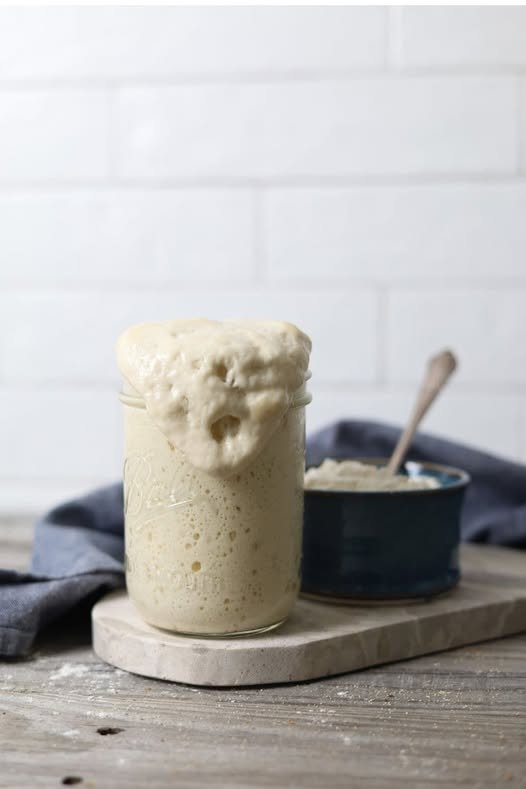
- A healthy starter should double or triple in size, smell pleasantly tangy, and have a bubbly, airy texture.
- If storing your starter in the refrigerator, feed it before refrigerating and refresh it 1–2 times after removing it before baking.
Choosing the right feeding ratio depends on your baking schedule. A 1:1:1 ratio is perfect for frequent baking, while 1:3:3 or 1:5:5 ratios are better when you want your starter to stay active longer between feedings or you’re preparing for a future bake.
