
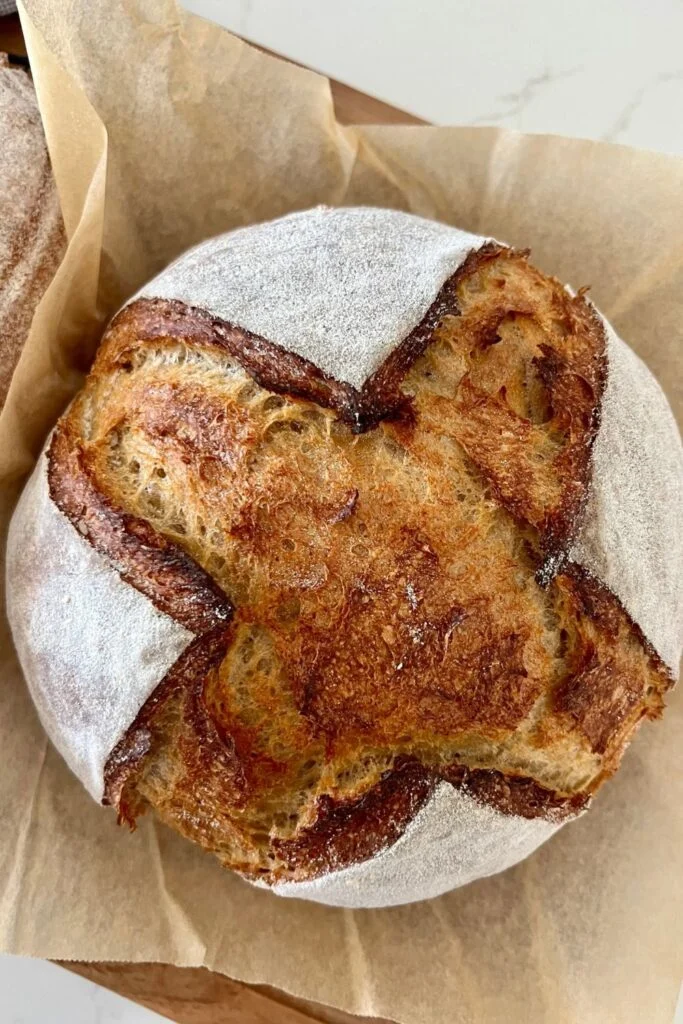
Sourdough Rye Bread Recipe
Sourdough Rye Bread
Hearty, flavorful, and naturally leavened, Sourdough Rye Bread is a timeless artisan loaf with a rich, earthy taste and a pleasantly chewy texture. Made with a blend of rye flour and bread flour, this bread offers the distinctive nutty flavor of rye while maintaining a light, airy crumb thanks to an active sourdough starter.
Rye flour has been a staple in European baking for centuries, prized for its deep flavor and nutritional benefits. Combined with the slow fermentation of sourdough, this loaf develops a complex tang, enhanced aroma, and excellent keeping quality. The result is a rustic bread with a crisp crust, tender interior, and exceptional depth of flavor that only natural fermentation can provide.
Perfect for sandwiches, avocado toast, smoked salmon, soups, or simply spread with butter, Sourdough Rye Bread is as versatile as it is delicious. Whether you’re an experienced baker or just beginning your sourdough journey, this recipe creates a beautiful artisan loaf that’s both wholesome and satisfying.
Why You’ll Love This Recipe
- Naturally leavened with active sourdough starter
- Rich, earthy rye flavor with a mild sour tang
- Crisp crust and soft, moist crumb
- Perfect for sandwiches, toast, and soups
- No commercial yeast required
- Excellent keeping quality
- Freezes beautifully
Prep Time
- Prep Time: 40 minutes
- Bulk Fermentation: 5–7 hours
- Cold Proof: 8–12 hours (optional but recommended)
- Bake Time: 40–45 minutes
- Total Time: About 15–20 hours
Yield: 1 large artisan loaf (10–12 slices)
Ingredients
For the Dough
- 350g bread flour
- 150g whole rye flour
- 100g active sourdough starter (100% hydration)
- 350g lukewarm water
- 10g fine sea salt
- 1 tablespoon honey or molasses (optional, for added flavor)
- 1 tablespoon caraway seeds (optional)
For Dusting
- Extra rye flour or rice flour
Equipment
- Large mixing bowl
- Digital kitchen scale
- Dough scraper
- Banneton basket or towel-lined bowl
- Dutch oven or bread cloche
- Bread lame or sharp knife
- Cooling rack
Instructions
Step 1: Feed Your Starter
Feed your sourdough starter 4–6 hours before mixing the dough. It should be bubbly, active, and at peak activity to ensure a strong rise.
Step 2: Mix the Dough
In a large bowl, combine:
- Active sourdough starter
- Lukewarm water
- Honey or molasses (if using)
Stir until the starter is dissolved.
Add the bread flour and rye flour, mixing until no dry flour remains.
Cover and let the dough rest for 30–45 minutes. This autolyse allows the flour to fully hydrate and begins gluten development.
Step 3: Add Salt
Sprinkle the salt over the dough.
If using caraway seeds, add them now.
Mix thoroughly until the salt is fully incorporated. The dough will feel stickier than a typical white sourdough because rye flour absorbs water differently.
Step 4: Bulk Fermentation
Cover the bowl and let the dough ferment at room temperature (72–76°F / 22–24°C) for 5–7 hours.
During the first 2 hours, perform three or four sets of stretch and folds every 30 minutes. Although rye dough is less elastic than wheat dough, gentle folds help strengthen the dough and improve structure.
By the end of fermentation, the dough should appear slightly puffed and airy.
Step 5: Pre-Shape
Lightly flour your work surface.
Turn out the dough and gently shape it into a loose round.
Let it rest uncovered for 20 minutes.
Step 6: Final Shaping
Shape the dough into a tight round or oval loaf.
Dust a banneton generously with rye flour or rice flour.
Place the dough seam-side up into the basket.
Cover with a towel or plastic wrap.
Step 7: Final Proof
For the best flavor, refrigerate the dough for 8–12 hours.
Alternatively, proof at room temperature for 1½–2 hours until the dough has expanded noticeably.
Step 8: Preheat the Oven
Preheat the oven to 475°F (245°C) with a Dutch oven inside for at least 45 minutes.
A thoroughly heated Dutch oven helps create maximum oven spring and a beautifully crisp crust.
Step 9: Score the Dough
Turn the loaf onto parchment paper.
Dust lightly with rye flour if desired.
Using a bread lame or sharp knife, score one long slash or a decorative pattern across the top.
Step 10: Bake
Transfer the loaf into the hot Dutch oven.
Cover with the lid and bake for:
- 20 minutes covered
- Remove the lid
- Lower the oven temperature to 450°F (232°C)
- Bake another 20–25 minutes until the crust is deep brown.
The internal temperature should reach 205–210°F (96–99°C).
Step 11: Cool
Transfer the bread to a wire rack.
Allow it to cool for at least 2 hours before slicing to let the crumb fully set.
Tips for Success
- Use a mature, active sourdough starter.
- Rye dough is naturally stickier; avoid adding excess flour.
- Wet hands instead of flouring them when handling the dough.
- Cold proofing improves flavor and makes scoring easier.
- Allow the loaf to cool completely before slicing to prevent a gummy interior.
Variations
Seeded Rye Bread
Add 2 tablespoons each of sunflower seeds, pumpkin seeds, and flaxseeds to the dough.
Walnut Rye Bread
Fold in 1 cup chopped toasted walnuts during the last stretch and fold.
Cranberry Rye Bread
Add ¾ cup dried cranberries for a lightly sweet loaf.
Molasses Rye
Replace the honey with dark molasses for a richer, more traditional flavor.
Everything Rye Bread
Sprinkle everything bagel seasoning over the loaf before baking for a savory crust.
Serving Suggestions
Enjoy Sourdough Rye Bread:
- Toasted with butter
- With smoked salmon and cream cheese
- Topped with avocado and eggs
- Alongside soups and stews
- For deli-style sandwiches
- With sharp cheeses and cured meats
- Served with hummus or herb butter
Storage
Store the cooled loaf in a bread bag or airtight container at room temperature for up to 5 days.
For longer storage, slice and freeze for up to 3 months. Toast slices directly from frozen.
Frequently Asked Questions
Can I use only rye flour?
A loaf made entirely with rye flour requires a different method because rye contains much less gluten. This recipe uses a blend of rye and bread flour for better structure and a lighter texture.
Why is rye dough so sticky?
Rye flour contains different starches and less gluten than wheat flour, making the dough naturally stickier. Resist the urge to add too much flour.
Can I skip the caraway seeds?
Yes. Caraway seeds add a traditional rye bread flavor, but the loaf is equally delicious without them.
Why didn’t my loaf rise as much?
Rye bread naturally rises less than white sourdough. Make sure your starter is active, avoid over-proofing, and give the dough enough fermentation time.
Can I make this recipe with whole wheat flour?
Yes. Replace up to 100g of the bread flour with whole wheat flour for an even heartier loaf, though the crumb may be slightly denser.
Nutrition (Per Slice, Approximate)
- Calories: 180
- Carbohydrates: 35g
- Protein: 6g
- Fat: 1g
- Fiber: 3g
- Sugar: 1g
- Sodium: 240mg
Final Thoughts
Sourdough Rye Bread is a rustic, wholesome loaf that combines the robust flavor of rye with the depth and complexity of natural sourdough fermentation. Its crisp crust, tender crumb, and earthy taste make it an excellent choice for everything from breakfast toast to hearty sandwiches and comforting meals. Once you experience the rich aroma and satisfying texture of homemade sourdough rye bread, it will quickly become a favorite recipe in your baking collection.
