
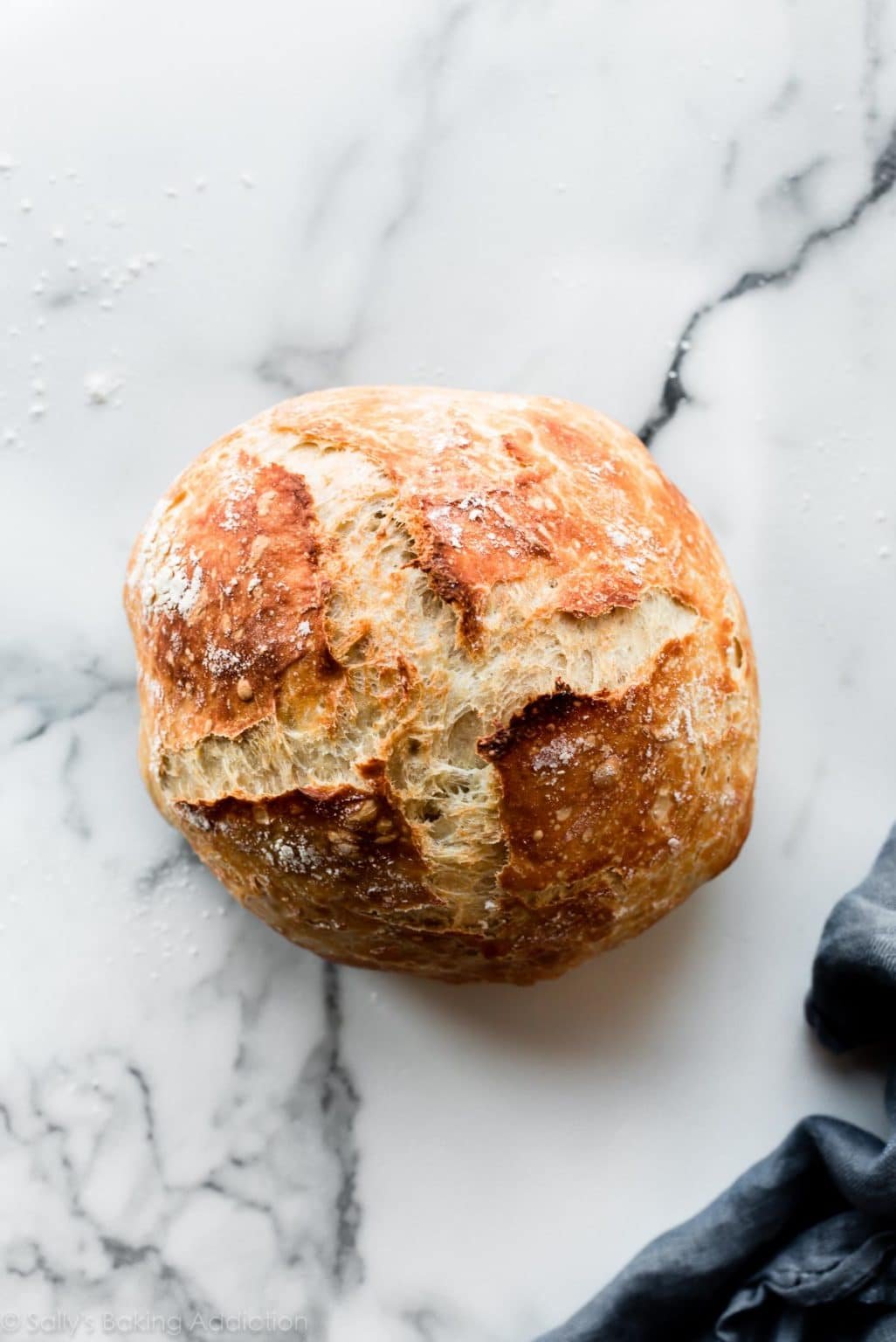
Baking with Yeast Guide
What Is Yeast?
Yeast is a living microorganism that feeds on sugars in dough and produces carbon dioxide and alcohol. The carbon dioxide creates tiny air pockets that cause the dough to rise, resulting in light, fluffy bread with excellent texture and flavor.
Types of Yeast
Active Dry Yeast
- Must usually be dissolved in warm water before mixing with the dough.
- Works well for most bread recipes.
- Has a longer rising time than instant yeast.
Instant Yeast
- Also called quick-rise or rapid-rise yeast.
- Can be mixed directly with the dry ingredients.
- Produces faster rising times.
- Great for everyday bread baking.
Fresh Yeast
- Also known as cake yeast or compressed yeast.
- Highly perishable and must be refrigerated.
- Favored by some professional bakers for its fresh flavor.
Sourdough Starter
- A natural mixture of flour and water containing wild yeast and beneficial bacteria.
- Produces bread with complex flavor, chewy texture, and natural fermentation.
- Requires regular feeding to stay active.
Choosing the Right Flour
Different flours produce different results.
- Bread Flour: Higher protein content creates stronger gluten and chewier bread.
- All-Purpose Flour: Suitable for many yeast recipes with a softer texture.
- Whole Wheat Flour: Adds fiber and nutty flavor but often requires extra hydration.
- Rye Flour: Produces denser bread and is often combined with bread flour.
Water Temperature Matters
Warm liquid helps activate yeast, but temperatures that are too hot can kill it.
- Ideal temperature: 100–110°F (38–43°C) for active dry yeast.
- Instant yeast can usually be mixed directly with the flour without proofing.
- Avoid liquids above 120°F (49°C), which can damage or kill the yeast.
Proofing the Yeast
To test whether active dry yeast is alive:
- Combine warm water, yeast, and a teaspoon of sugar.
- Let it sit for 5–10 minutes.
- If it becomes foamy and bubbly, the yeast is active and ready to use.
- If nothing happens, replace the yeast with a fresh packet.
Mixing the Dough
When combining ingredients:
- Add flour gradually.
- Mix until a shaggy dough forms.
- The dough should feel soft, slightly tacky, but not sticky.
- Avoid adding too much flour, as it can make bread dry and dense.
Kneading the Dough
Kneading develops gluten, giving bread structure and elasticity.
By Hand
- Knead for 8–12 minutes on a lightly floured surface.
Stand Mixer
- Knead with a dough hook for 6–8 minutes on low speed.
The dough is ready when it is smooth, elastic, and springs back when gently pressed.
The First Rise (Bulk Fermentation)
Place the dough in a lightly greased bowl, cover it, and let it rise in a warm, draft-free area until doubled in size.
Typical rise time:
- 1–2 hours at room temperature
- Longer for enriched doughs containing butter, eggs, or milk
Shaping the Dough
After the first rise:
- Gently press out excess air.
- Shape the dough according to your recipe.
- Avoid tearing the surface, which helps the dough rise evenly.
The Second Rise
Allow shaped dough to rise again until puffy.
The second rise improves:
- Volume
- Texture
- Crumb
- Overall flavor
Do not let the dough overproof, or it may collapse during baking.
Baking Tips
- Preheat the oven fully before baking.
- Use an oven thermometer for accurate temperature.
- Brush dough with egg wash for a glossy crust.
- Add steam during the first few minutes of baking for artisan-style bread with a crisp crust.
Common Yeast Baking Problems
Dough Isn’t Rising
Possible causes:
- Expired yeast
- Water that was too hot or too cold
- Cold room temperature
- Too much salt
Dense Bread
Possible causes:
- Not enough kneading
- Too much flour
- Underproofing
- Overproofing
Bread Collapses
Possible causes:
- Dough rose too long
- Weak gluten development
- Oven not fully preheated
Dry Bread
Possible causes:
- Too much flour
- Overbaking
- Insufficient fat or moisture
Helpful Baking Tools
- Digital kitchen scale
- Instant-read thermometer
- Dough scraper
- Stand mixer (optional)
- Bench scraper
- Proofing basket (for artisan loaves)
- Dutch oven (for crusty bread)
- Pastry brush
- Cooling rack
Tips for Success
- Measure ingredients by weight whenever possible for consistent results.
- Keep yeast stored in a cool, dry place, or refrigerate after opening.
- Allow enough time for proper rising—don’t rush the process.
- Cover dough while rising to prevent it from drying out.
- Bake bread until it reaches an internal temperature of 190–210°F (88–99°C), depending on the type of bread.
- Let bread cool before slicing to preserve its texture and crumb.
Frequently Baked Yeast Recipes
Once you’re comfortable baking with yeast, try making:
- Sandwich Bread
- Dinner Rolls
- Cinnamon Rolls
- Brioche
- Focaccia
- Pizza Dough
- Soft Pretzels
- Bagels
- Artisan Bread
- Sourdough Bread
- Garlic Knots
- Babka
Mastering yeast baking takes practice, but understanding how yeast works and following these techniques will help you create bakery-quality breads with confidence. Every loaf is an opportunity to improve your skills and enjoy the rewarding process of homemade bread baking.
